Until elastic fails, it is one of the most taken for granted parts of bee protective clothing. If elastic is compromised, so is the clothing protection. This is most noticeable with a ventilated bee suit, where the comfort is highly dependent on the elastic's function. Knowing the reasons for elastic failing, beekeepers can better gear themselves and prevent frequent gear replacements.
What Causes Elastic Failure?
Elastic failure is rarely the result of just one issue, and in most cases, is the result of several combined problems. Common causes include:
-
Cheap Elastic Material
Poor quality elastic will have less rubber and more filling fibers. Although the elastic may look acceptable at first glance, after the elastic is exposed to heat, moisture, and repeated movement, it will quickly lose its ability to stretch. -
Heat and UV rays
Beekeeping is an activity performed in the sun. The rubber elastic in the garments is exposed to heat and UV rays. The UV rays and heat breaks the rubber fibers, and this causes the elastic to dry out and lose its ability to recover. -
Too frequent Washes
Elastic is damaged at an accelerating rate with each wash, and the velocity of this damage is increased with the use of harsh detergents and high temperatures. Over time the elastic will lose its ability to stretch, even though the fabric may look alright.
Why Ventilated Designs Put More Stress on Elastic
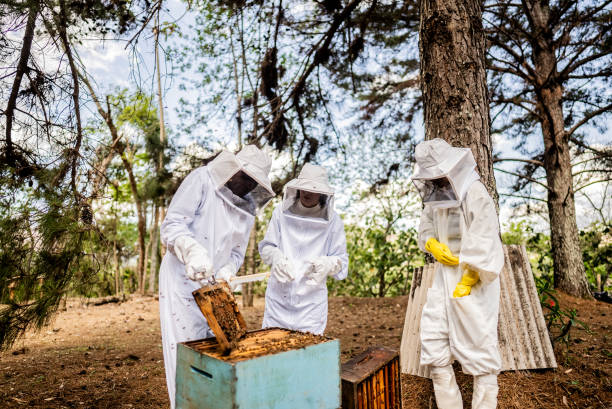
A ventilated bee suit allows for airflow and comfort, but that design increases stress on elastic components. The lightweight material allows for more freedom of movement, which means the elastic at the wrists, ankles, and waist, works harder to secure a tight seal.
In many designs, the ventilated bee suit relies on elastic tension rather than the weight of the fabric to keep it in place. Poorly made elastic will stretch out faster than anticipated if it is not properly engineered—sometimes within a single season.
Stitching and Construction Play a Role
It’s not just about the elastic; how it’s stitched does matter. If the stitch is too tight, it limits the stretch. Too loose, and the elastic will twist and wear unevenly. Construction can fail before the elastic does, so it’s important to consider the construction when designing suits.
Safta Bee and the Challenges of Elastic Failure
Safta Bee is a manufacturer of beekeeping suits, gloves, and other protective clothing, along with providing beekeeping services and products. Each of our ventilated bee suit is designed with durability as a priority.
Our method includes:
-
Quality elastic with good elastic recovery
-
Reinforced stitching that allows natural stretch
-
Positioning to minimize repetitive overextension
-
Materials tested for heat, perspiration, and frequent washing
Our designs differ from a majority of the ventilated bee suit on the market which are primarily designed to look good for only a short period.
How Beekeepers Can Extend Elastic Life
You can significantly increase the lifespan of elastic by:
-
Ensure correct sizing by preventing overstretching
-
Washing suits on cool cycles
-
Avoiding tumble drying
-
Storing suits away from sunlight
Even the best elastic performs poorly when constantly overstained.
Concluding Remarks
The way the suit experiences elastic failure is not predetermined, but more so the consequence of simplifications made in the materials or the design. Selecting the right ventilated bee suit means examining the materials that protect you in addition to looking at the comfort and airflow properties.
At Safta Bee, we examine every detail, for we understand that reliable protection is not just in the fabric, but in the engineering.
Good elastic does not just stretch. It protects.
Share:
Why Do I Still Get Stung Through My Bee Suit?
Why Can't I See Through My Veil?