When beekeepers mention staying calm around bees, in regards to what they wear, clothing comes up, especially the color. Many people wonder whether what you wear can affect the behavior of the bees. The short answer is yes, color of fabric does matter, and knowing the reasons for this helps reduce defensive behavior when people work in the bee yard.
At Safta Bee, a manufacturer and designer of beekeeping suits, gloves, and other protective clothing, as well as a provider of various beekeeping services and products, this knowledge is important in the design of protective clothing.
How Bees Perceive Colors
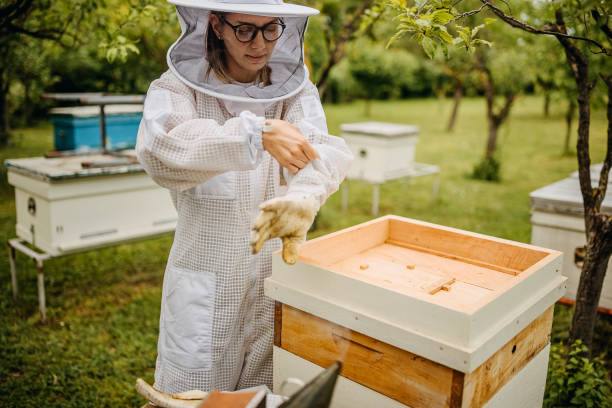
Bees see the world differently compared to humans. Their vision does not capture fine details. Instead, bees see better in detecting contrast and movement. Defensive behaviours can get triggered in response to dark colours. In the wild, dark colours are associated with predators that can harm bees like bears and badgers. . Bees also have light colours, which are less threatening in terms of interactions. As a result, the use of a full bee suit with light colours is preferred, since the interactions with bees are more calm and predictable.
The challenges posed by dark colours
Wearing dark clothes during the summer can attract unwanted heat and creates a greater visual contrast to the surrounding environment. This is especially important with respect to the engagement of bees. Combined with dark fabrics of black, brown, and deep red, the heat and contrast can increase the likelihood of a bee sting by greater attention and provocation.
This is most critical during the sensitive period of bee inspections, collection of honey, or during the splitting of beehives. Such activities are of heightened awareness for the bees. This is why some beekeepers wear light, full bee suit, which also contributes to the calming of the bees.
The Behavioural Implications of Colour in Design in Protective Clothing for Beekeepers
The probability of being stung is influenced by more than just the colour of the suit worn. However, a full bee suit that is functional and is designed in such a way that there is enough distance between the skin and the fabric, will use a light colour to reduce the likelihood of bee aggression and will allow for sufficient spacing to prevent the bee stingers from penetrating the fabric.
The reason that professional beekeeper protective clothing is typically offered in a light colour is that it is a design choice that is backed by the study of bee behaviour and professional beekeeping.
How Colour Science Works with Safta Bee
Choosing colours is never a random process at Safta Bee. We consider the impact of visual stimuli when designing our protective clothing. Each full bee suit is made from a light fabric colour, durable, breathable, and protective materials.
This is tailored for comfortable and safe handling. It keeps everyone in the work environment calmer, the bees included.
Helpful Strategies for Beekeepers
-
Select light-coloured protective gear
-
If possible, stay away from dark gloves and footwear
-
Keep your clothes clean, as strong odors and scents can be as important as your clothing colour
-
Wear a full bee suit for a snug fit to avoid fabric compression
-
Avoid jerky movements and remain calm
The above instructions should tremendously mitigate aggressive responses
Final Thoughts
Do bee's reactions get affected by the colour of the fabric? Certainly. Colour will not substitute good technique or quality gear, but it does impact and shape how the bees perceive you. A light-coloured, well fitted, full bee suit, will help in ensuring a calmer apiary, and will reduce stings.
At Safta Bee, we believe that smart design begins with understanding the bees. After all, better understanding means better protection.
Share:
How Many Stings Are Normal When Wearing a Bee Suit?
What are the Best Bee Suits for Hot US States like Texas, Florida, or California?