When it comes to beekeeping, one of the most common question asked by beginners or simply experienced beekeepers upgrading their protective gear is: full suit or a jacket
Your level of experience, working conditions and need for protection will all help determine the answer. Although jackets being lighter and more agile, a complete body bee suit gives full coverage and works to elaborate diligence — particularly in hyperactive or erratic hive conditions.
Safta Bee first launched after realising there was a genuine need for high quality beekeeper clothing that would keep the beekeeper's skin covered from their stings. Getting the right gear goes beyond comfort — it’s about safety.
Understanding the Difference
🐝 Bee Jacket
Protective clothing — a bee jacket covers your upper body; arms, chest, back and head (with veil). In almost all similar contexts as a thin long-sleeved shirt, you’ll want to wear it with thicker trousers or jeans.
Best for:
Quick inspections
Calm colonies
Experienced beekeepers
Hot weather conditions
Limitations:
Legs remain more exposed
Pants can compress against skin
Increased risk of getting stung by bees during aggressive hive activity
Full Body Bee Suit
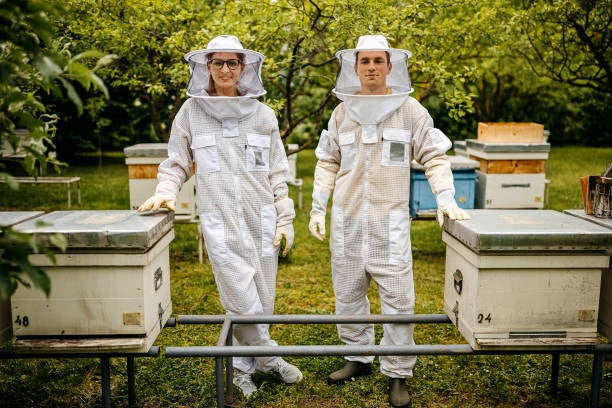
A second full body bee suit (the kind that connects itself preventively from head to ankle). It forms a shield around your whole body.
Best for:
Beginners
Long hive inspections
Swarm collection
Defensive or unpredictable colonies
Commercial beekeeping
Advantages:
Complete protection
No visible gap between jacket and trousers.
Better sting prevention at joints
More confidence while working
Protection vs. Comfort
Some beekeepers choose jackets because they find them lighter and cooler. Nonetheless, comfort should not come at the cost of protection.
A well-designed full body bee suit manages both, by providing:
Breathable fabric
Adequate spacing of skin and textile
Strengthened areas that are prone to excessive wear (knees, elbows, seams)
Flexible movement panels
Structure is fundamental in Safta Bee designs; keeping the fabric clear of the skin while freeing natural body movement.
What is additional, at what time is a full fit the better choice?
Yes, you should really invest in a full body bee suit if:
You are new to beekeeping
You are afraid to get stung
You will treat several hives in one go.
Your bees show defensive behavior
You need optimal safety during honey harvest.
Confidence is paramount to smooth & effective hive inspections. When you are cloaked, you work more slowly — and slower movements mean less disturbance to the colony.
When a Jacket May Be Enough
A jacket can work well if:
Assume you are several seasons in
Your colonies are consistently gentle
You’re doing short inspections
You already own protective trousers
At the same time, trousers should be thick and loose enough to help prevent clothing from pressing itself against the skin.
Final Verdict
Following up from your comment, should you be buying the entire suit or just a jacket?
If you're new to the world of bees or for working with active hives, it's wiser and safer to use a full body bee suit. That's total coverage, reliable protection, and more confidence.
A jacket is okay in calmness, but full coverage wins for maximum safety and confidence.
You see in beekeeping it is not just a fabric choice when it comes to protection — it’s about how you can work confidently, safely and comfortably season after season.
Share:
How Many Stings Are Typical While Suited Up?