
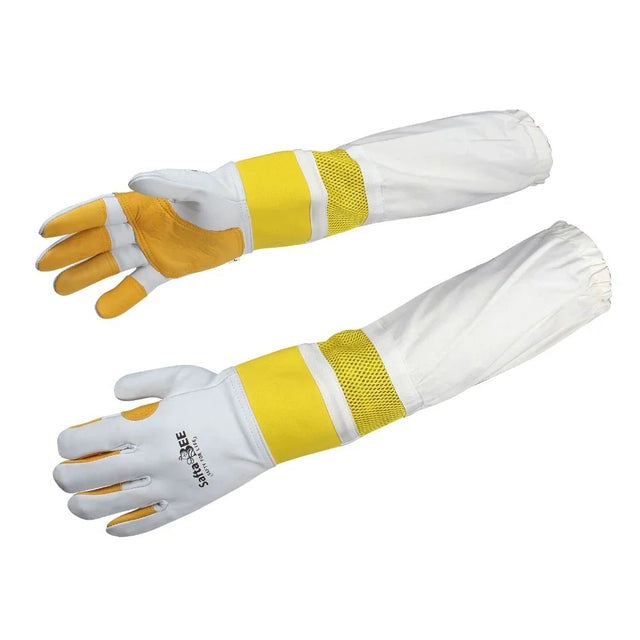
Why did I go through a whole hive inspection and come out with stings all over my hands? Even with the most protective gloves you have, getting stung on the hands is pretty common for beekeepers and is pretty annoying.
So what is the reason for getting stung on gloves?
One of the beekeeping suit manufacturers, Safta Bee, receives this type of inquiry all the time. The answer is simple. Getting stung on gloves is common and knowing this reason will help you be more confident and protective when working with the hives.
Hands and Bees Have a Close Connection
Your hands are always:
-
Pulling frames
-
Moving boxes
-
Swatting bees
-
Digging into the hive
This means that hands can be at the highest risk in defense against the bees. Even the best bee gloves can be tried because of the location and use.
Fabric Compression Is the Biggest Culprit
Bee gloves are specially made to prevent a large majority of bee stings. However, some of the stings get through. One of the leading causes is the top layer of the gloves becoming tightly compressed together.
This happens when you:
-
Grasp the bee frame tightly
-
White knuckle the glove
-
Press down firmly
When fabric presses down against the skin, if a bee stings, there is a good chance it will get through. The glove is then only a slight buffer from the bee's stinger.
This is why bee stings are common on:
-
Fingertips
-
Knuckles
-
The sides of fingers
Quality bee gloves maintain their structure and spacing, even when your hands are moving.
Old, thin, or damaged gloves are not as protective as new gloves.
After time, bee gloves may:
-
Thin out
-
Stretch
-
Develop micro-tears
-
Lose structural integrity
Leather gloves may age and soften too much, and fabric gloves may wear out.
Even if bee gloves are only a few seasons or heavily used, they may not be as protective, even if they look fine.
Gloves That Don't Fit Right Make Getting Stung Easier
Gloves that are:
-
Too tight → more rubbing
-
Too loose → more bunching and weird presses
-
Both situations increase the chance of getting stung
Good bee gloves should be tight enough to have some control but loose enough to stay off your skin when you move. Fit is just as important as how thick the material is.
Bees and Glove Stitching
Bees can sting through certain areas of stitching and seams. These areas of stitching or seams can be weaker than the rest of the glove.
Quality bee gloves have the following:
-
Reinforced stitching
-
Less exposed stitching
-
Stitching placed away from areas that get a lot of contact
This small detail can be very important and makes a big difference when using the glove.
Gloves Capture Heat and Smells
Sweaty and hot hands happen during inspections, and a lot of hands sweat when it’s warm out. Heat and moisture can make:
• Bees angry
• Release cues that tell bees a person is present
• Increase defensiveness
Even good quality bee gloves can attract attention if bees can smell the stress and moisture. Gloves made from mesh materials reduce the build up of moisture and stress and keep the bees calm during inspections.
Aggressive Hive Conditions Matter Too
Sometimes, it’s not the gloves—it’s the situation.
Bees are more likely to sting through bee gloves when:
-
It's stormy
-
Nectar flow is low
-
The hive has been disturbed recently
-
The colony has defensive genetics
Even in these cases, premium protective gear is being pushed to the limit.
How Safta Bee Designs Better Protection
We know that beekeeping gloves are not the most protective element of the suit, which is why we focus more on the real-life performance of the gloves, not just the looks.
Sensible Designs
Strong, sting-proof materials Reinforced shanks of strong contact regions (fingers, knuckles, and palms). Stitching that keeps its shape when moved. Integrated with a full beekeeping suit.
As a manufacturer of beekeeping gloves, suits, and other protective apparel (and with beekeeping products and services), we manufacture the suits because we know how beekeepers work.
What You Can Do Right Now to Reduce Glove Stings
-
Get new bee gloves if yours are old or wearing out
-
Pick gloves that have reinforced seams and fingers
-
Don’t squeeze the frame way too hard
-
Store gloves dry and clean
-
Choose softer gloves for gentler bees and tougher jobs
A small difference in glove quality can make a big difference in comfort and confidence.
Final Thoughts
So, why do bees sting through your gloves?
Hands do a lot of moving, and gloves are tight, materials break down, and bees are super good at sensing weak spots. Getting stung through gloves is more about the gloves than it is about the bees. We at Safta Bee think that beekeepers deserve to have protection that they can rely on. We believe that if gloves are designed to be better, then the number of stings a beekeeper suffers will be reduced, and thereby will make the task of working with bees more enjoyable by making it more relaxed.
Your gloves should protect you, and your hands should do the work.
Share:
Why do beekeepers get stung more when they are moving more confidently?
What Measurements Actually Matter Most for a Vented Bee Suit?